As we head into inclement weather season—a time of year that tends to bring even more cancellations and delays. That question becomes top of mind for anyone booking flights. “Why can you still not find a seat on an airline three days later?” Whenever major disruptions hit, getting planes back in the air is only half the battle. Catching up takes days because modern airline schedules run with almost zero slack.
There’s No Such Thing as “Spare” Seat Inventory
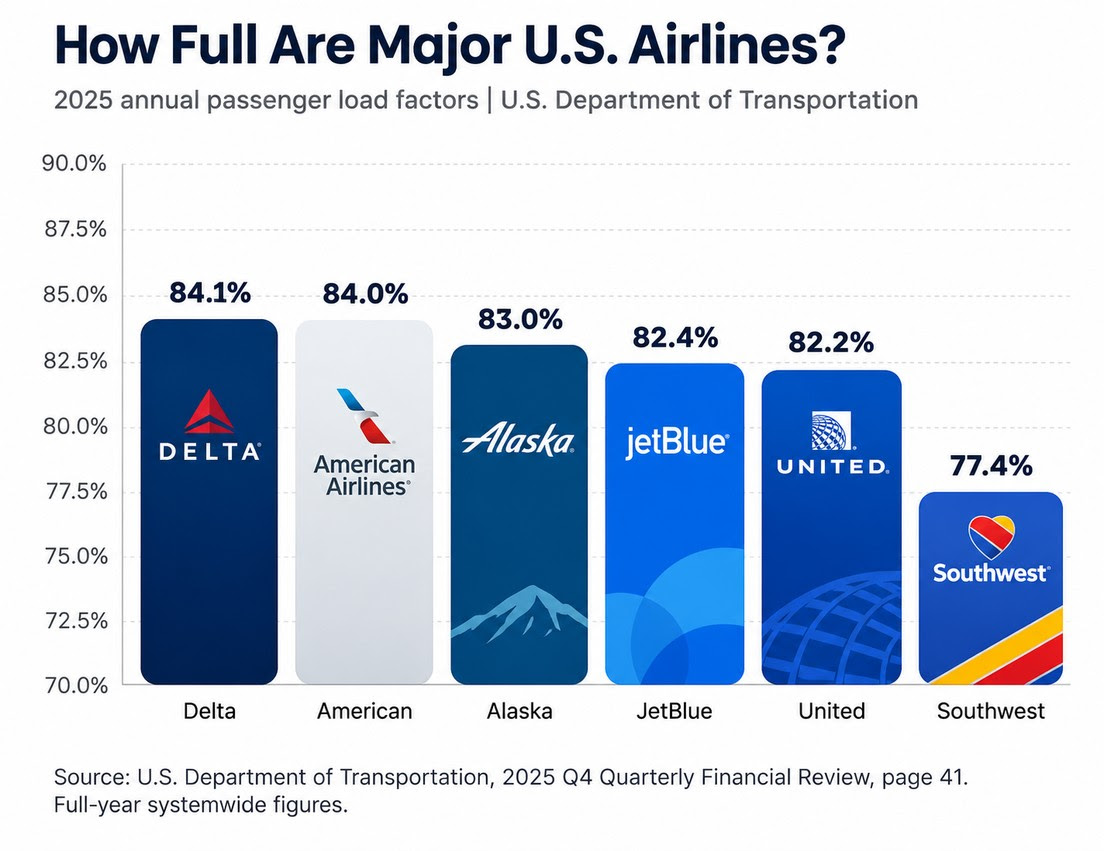
Airlines don’t keep empty planes or blocks of backup seats sitting on standby for major disruptions. According to the U.S. Department of Transportation, domestic carriers operated at an average 82% load factor between September 2025 and August 2026—and the International Air Transport Association (IATA) reported a record 83.6% global average in 2025.
Those figures are network-wide averages, meaning major business hubs and peak travel days routinely run much closer to 100%. And an open middle seat on a Tuesday flight to Denver does nothing for a traveler stranded in Boston. When widespread cancellations wipe out hundreds of flights at once, airlines are forced to absorb all those displaced flyers into a schedule that’s already full.
Everyone Is Competing for the Same Few Seats
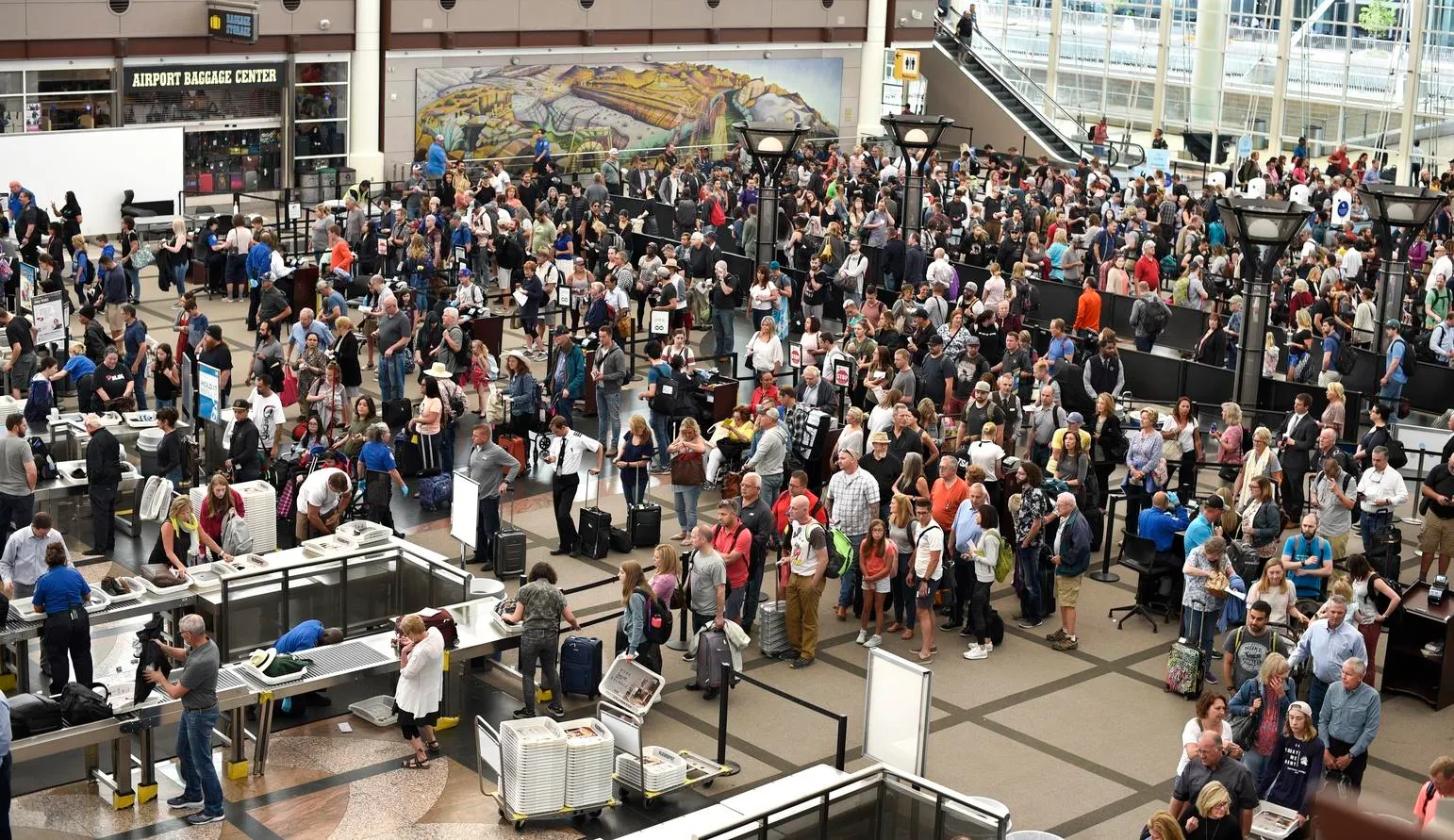
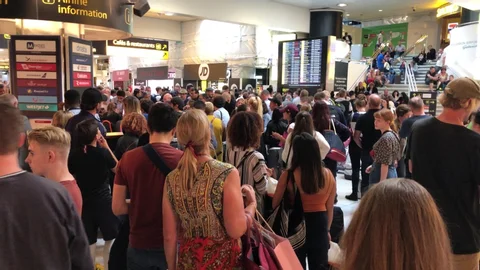
When mass cancellations or delays hit multiple hubs simultaneously, thousands of stranded passengers are dumped into the rebooking pool at the exact same time. Automated airline rebooking engines, travel managers, and travelers refreshing their phones are all pulling from the exact same shrinking handful of open seats.
For a solo flyer, surviving the scramble might just mean taking a creative connection. For corporate groups and event attendees, the puzzle is much tougher: finding enough open seats across a narrow arrival window so everyone makes the conference or kickoff on time.
Your First Arm of Defense Is the Airline App
Because open seats vanish in minutes during mass cancellations or delays, speed is of the essence. Whether you’re traveling for group travel, corporate business travel, or any personal trip, the single best move you can make happens before you ever leave for the airport: download your airline’s app, log in, and link your reservation.
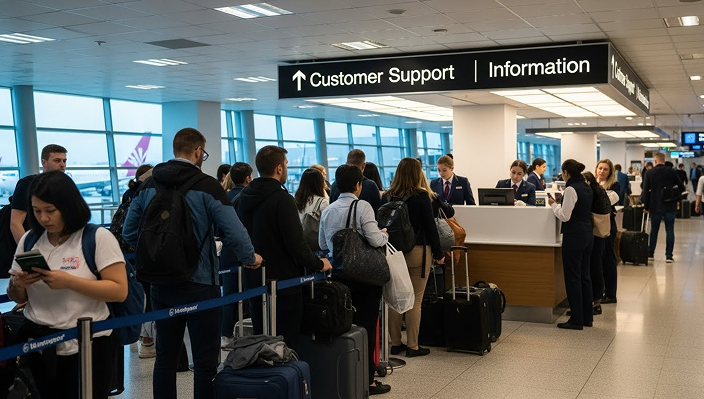
Treat the app as your first arm of defense. Real-time updates often alert you to a delay or cancellation before a gate agent even makes an announcement, and self-service tools let you rebook yourself or change flights immediately while everyone else is still standing in line or waiting on hold. If you’re managing a complex corporate or group itinerary, locking in an option in the app—and looping in your travel support team the second things look shaky—can save the trip.
If you’re still struggling to find open seats—or seeing sky-high fares—days after a disruption, it’s simply supply and demand at work. Airlines are still working through the backlog of displaced passengers to get everyone to their final destinations, leaving virtually no room to spare until the network finally catches up.


Table of Contents